
Vancouver attractions listed by popularity
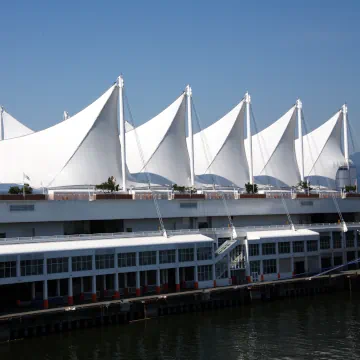
Canada Place is one of Vancouver's main landmarks, originally built for the 1986 World Exposition. The building is now mainly used as a convention center.
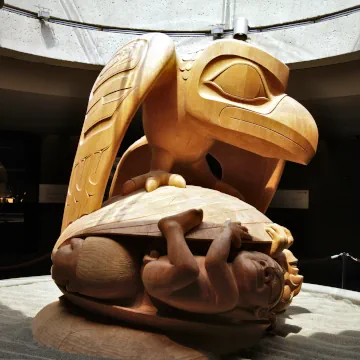
Vancouver's most interesting museum, located on the grounds of the University of British Columbia, covers the culture of the aboriginal peoples of the Pacific Northwest.
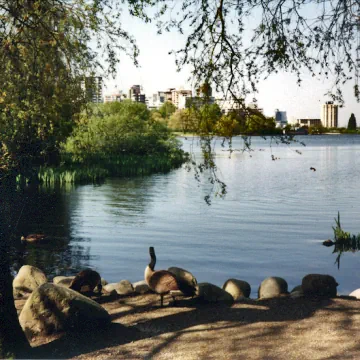
Stanley Park is a 1000-acres (4 sq. km.) large park on a peninsula bordering downtown Vancouver. This forest-like park, surrounded by the ocean, comprises many recreational areas.
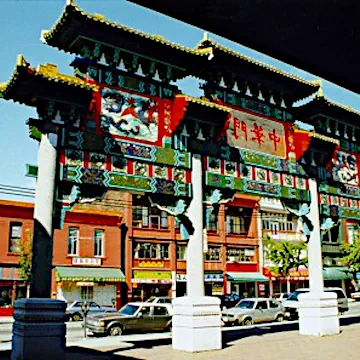
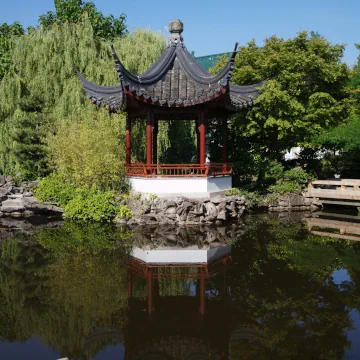
The small Dr. Sun Yat-sen Garden was created for the 1986 Expo in Vancouver. It was the first authentic full-scale classical Chinese garden outside of China.
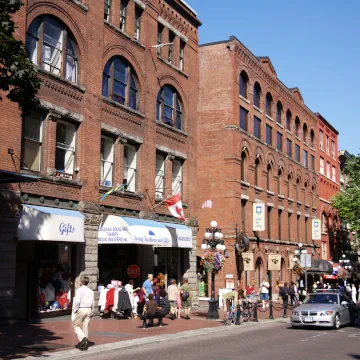
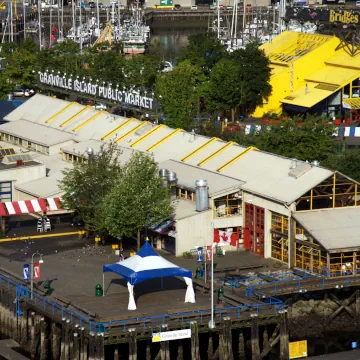
In the 1970s, this former industrial site was turned into a recreational and entertainment area. The popular island is best known for its indoor public market.
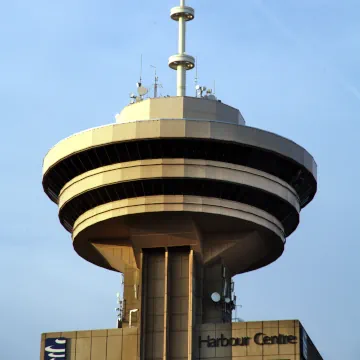
The tallest building in Vancouver when it was completed in 1977, this 28-story skyscraper boasts an observation deck and revolving restaurant with 360 degree views.
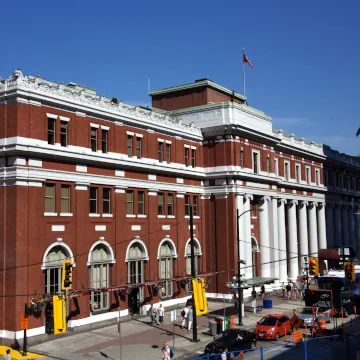
This neoclassical building served as Vancouver's main railway station from its opening in 1915 until 1979. While not a railway station anymore, the building still functions as a transportation hub.
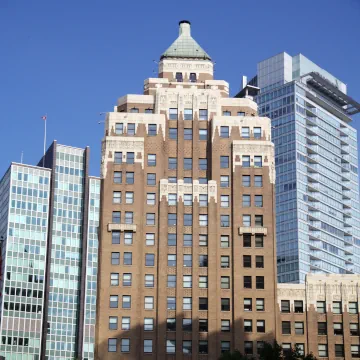
This landmark Art Deco building, hailed for its beautiful design, was built in 1930 as the city's tallest building. It would hold on to that title until 1971, when the Toronto Dominium Center was completed.
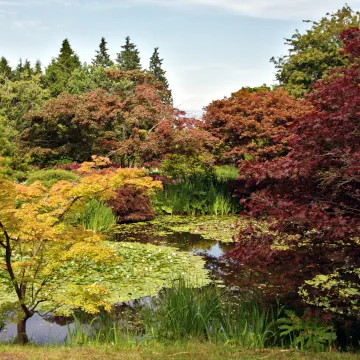
This 25 hectare large garden opened in 1975 at the site of a former golf club in South Vancouver. The beautiful garden features more than 255,000 plants from around the world.
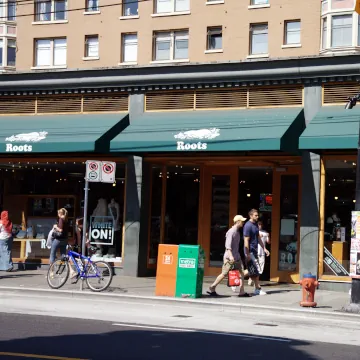
Robson Street is Vancouver's main retail strip, ideal for shopping, dining or people watching. Some of the city's attractions are located here, such as the Art Gallery and the modern library building.
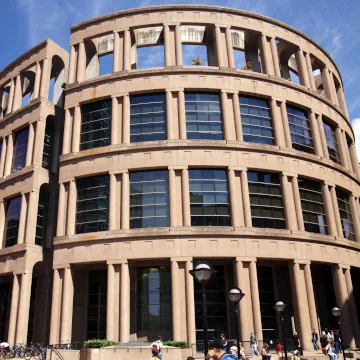
This modern building, reminiscent of Rome's Colosseum, opened in 1995. It was the most expensive public project ever undertaken by the city of Vancouver.
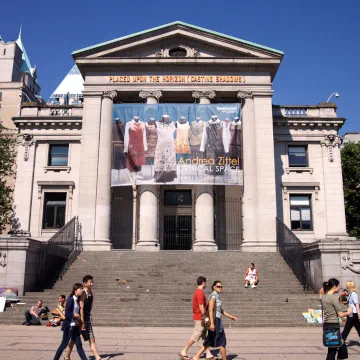
Established in 1931, the Art Gallery moved to its current location - a former courthouse - in 1983. Special attention is given to well-known local Canadian artist Emily Carr.
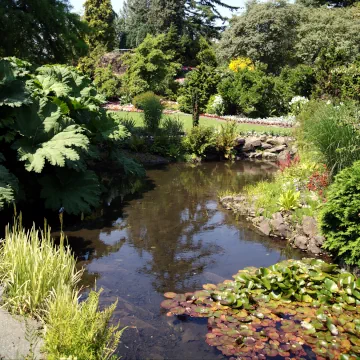
Established in 1930 at the site of a former quarry, this 130-acre / 65-ha.-large park includes a conservatory, a fountain, colorful gardens and even a wedding pavilion.
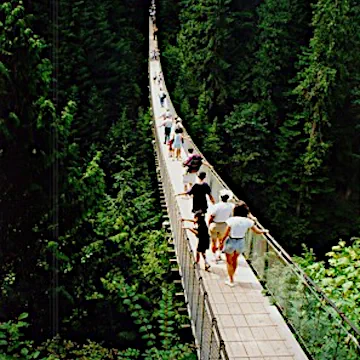
This wood-and-rope suspension bridge spans the Capilano Canyon, 70 meters (230 ft.) above the canyon floor. It was originally built in 1889 by a pioneer with the help from local natives.
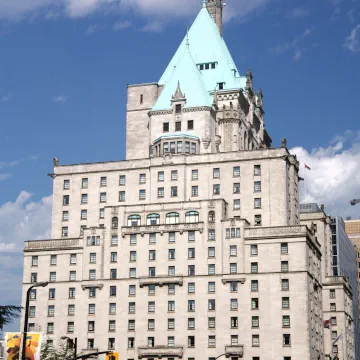
This landmark hotel in the style of a mock French Château opened in 1939. Like several other grand buildings in this style, the hotel was built by the Canadian National Railway.
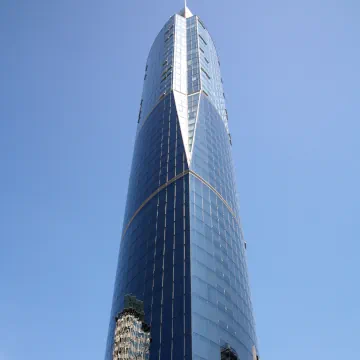
Wall Centre is a complex of three high-rise buildings, of which the highest held the title of Vancouver's tallest building for seven years until 2008, when it was eclipsed by the Shangri-La tower.
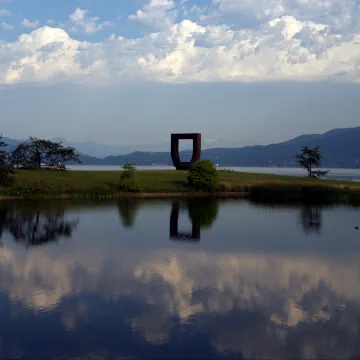
Vanier park is the setting for three of Vancouver's most interesting attractions: the Space Centre with its planetarium, the Vancouver Museum and the Maritime Museum.
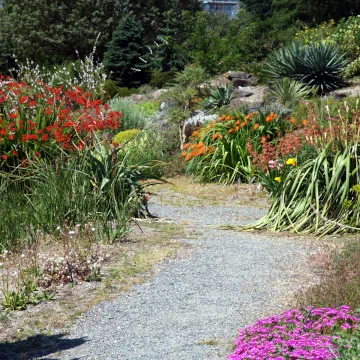
The collection of the university's diverse botanical garden was originally created in the early 20th century as part of a survey of plants in British Columbia.
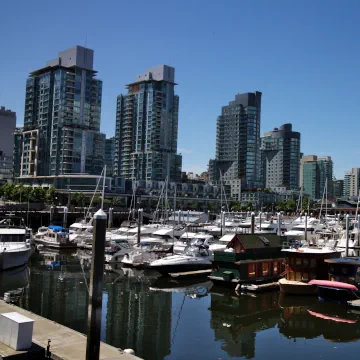
Not much more than a rail yard in the 1980s, Coal Harbour has been transformed into an attractive neighborhood along the waterfront near Stanley Park.
Vancouver attractions listed alphabetically
Canada Place is one of Vancouver's main landmarks, originally built for the 1986 World Exposition. The building is now mainly used as a convention center.
This wood-and-rope suspension bridge spans the Capilano Canyon, 70 meters (230 ft.) above the canyon floor. It was originally built in 1889 by a pioneer with the help from local natives.
Not much more than a rail yard in the 1980s, Coal Harbour has been transformed into an attractive neighborhood along the waterfront near Stanley Park.
The small Dr. Sun Yat-sen Garden was created for the 1986 Expo in Vancouver. It was the first authentic full-scale classical Chinese garden outside of China.
In the 1970s, this former industrial site was turned into a recreational and entertainment area. The popular island is best known for its indoor public market.
The tallest building in Vancouver when it was completed in 1977, this 28-story skyscraper boasts an observation deck and revolving restaurant with 360 degree views.
This landmark hotel in the style of a mock French Château opened in 1939. Like several other grand buildings in this style, the hotel was built by the Canadian National Railway.
This landmark Art Deco building, hailed for its beautiful design, was built in 1930 as the city's tallest building. It would hold on to that title until 1971, when the Toronto Dominium Center was completed.
Vancouver's most interesting museum, located on the grounds of the University of British Columbia, covers the culture of the aboriginal peoples of the Pacific Northwest.
Established in 1930 at the site of a former quarry, this 130-acre / 65-ha.-large park includes a conservatory, a fountain, colorful gardens and even a wedding pavilion.
Robson Street is Vancouver's main retail strip, ideal for shopping, dining or people watching. Some of the city's attractions are located here, such as the Art Gallery and the modern library building.
Stanley Park is a 1000-acres (4 sq. km.) large park on a peninsula bordering downtown Vancouver. This forest-like park, surrounded by the ocean, comprises many recreational areas.
The collection of the university's diverse botanical garden was originally created in the early 20th century as part of a survey of plants in British Columbia.
This 25 hectare large garden opened in 1975 at the site of a former golf club in South Vancouver. The beautiful garden features more than 255,000 plants from around the world.
Established in 1931, the Art Gallery moved to its current location - a former courthouse - in 1983. Special attention is given to well-known local Canadian artist Emily Carr.
This modern building, reminiscent of Rome's Colosseum, opened in 1995. It was the most expensive public project ever undertaken by the city of Vancouver.
Vanier park is the setting for three of Vancouver's most interesting attractions: the Space Centre with its planetarium, the Vancouver Museum and the Maritime Museum.
Wall Centre is a complex of three high-rise buildings, of which the highest held the title of Vancouver's tallest building for seven years until 2008, when it was eclipsed by the Shangri-La tower.
This neoclassical building served as Vancouver's main railway station from its opening in 1915 until 1979. While not a railway station anymore, the building still functions as a transportation hub.