


The Thermae Antoninianae (Baths of Caracalla) opened in 217 AD, during the reign of Emperor Caracalla, as the largest bath complex in the world. The baths were functional for over three hundred years.
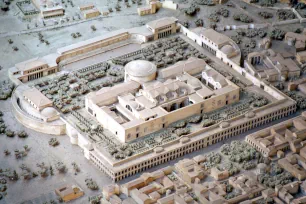
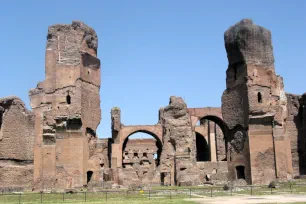
The red-brick ruins of the Baths of Caracalla are situated southeast of ancient Rome’s center. The baths were enormous buildings, with huge frescoed vaults covering the massive rooms. This huge eleven hectare (27 acre) large complex housed bathing facilities that could accommodate more than 1,600 people at a time. In total, the baths welcomed between 6,000 and 8,000 visitors each day.
Caracalla
Construction of the Baths of Caracalla started in 212 AD, and the complex was completed five years later. It was built during the reign of Emperor Caracalla whose official name was Marcus Aurelius Antoninus, hence the original name of the baths, Thermae Antoninianae.
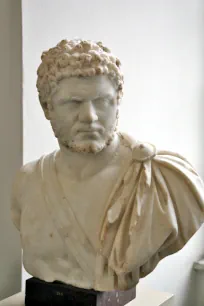
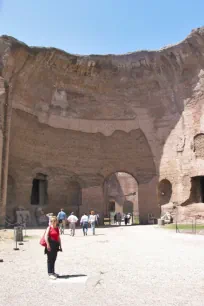
The emperor was nicknamed Caracalla for a Gallic tunic he used to wear, but this name was never officially used. Caracalla is infamous for killing his more popular brother, Geta. He is also known for his decision to offer citizenship to all free inhabitants of the Roman Empire, mainly to increase the income from taxes.
Bathing in the Roman Era
At a time when Rome’s crowded tenements had few sanitary facilities, the more than fifty public baths in Imperial Rome played an important part in Roman society. Not only did it improve the cleanliness and health of its citizens, but the thermae were also places where Romans came to socialize, gossip and relax.
The ritual of bathing was a long process, starting with a hot bath in the calidarium. Next up was the lukewarm tepidarium, followed by the cold frigidarium. Then followed a swim in the natatio, an open air swimming pool.
Leisure Center
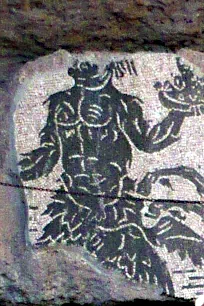
The Baths of Caracalla were more than a mere bathing house; it was actually a multifunctional leisure center and also housed gymnasiums, libraries, gardens, art galleries, restaurants and even brothels. The Caracalla complex was known for its rich interior which featured marble seats, mosaic covered walls and floors as well as fountains and statues.
Water Distribution
A complex water distribution system ensured a constant flow of water from the Aqua Marcia aqueduct. Below the main buildings were two levels, the upper one was used for services and heating the water, the lower one was used for water drainage. The baths were fully functional until 537 AD, when Goths destroyed the aqueduct, cutting off the water supply.
Decay
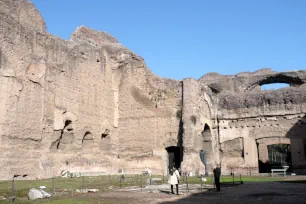
Negligence, looting and an earthquake turned this great architectural complex into ruins. But even these ruins continue to impress visitors thanks to their sheer size and magnificence.
Underground Museum
In December 2012 a museum opened in the tunnels underneath the Baths of Caracalla. The network of tunnels, four kilometers long, was created to service the baths above. The furnaces to heat the hot water baths stood here, and the tunnels also served as storage space.
The six-meter-wide tunnels create an atmospheric background for the display of objects that were found on site, such as large sculpted capitals, marble reliefs and other ornaments that once decorated the sumptuous bath complex.