Intro to Budapest
Budapest, the capital of Hungary, was formed at the end of the nineteenth century when the three cities Pest, Buda and Óbuda merged but its history goes back more than one thousand years.
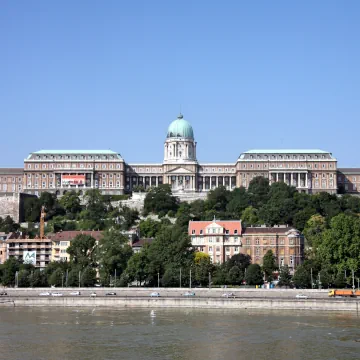
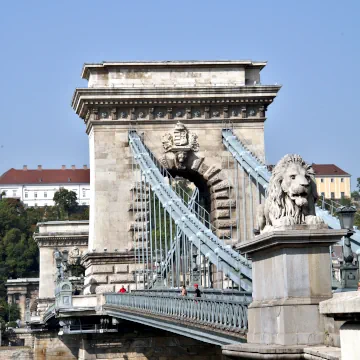
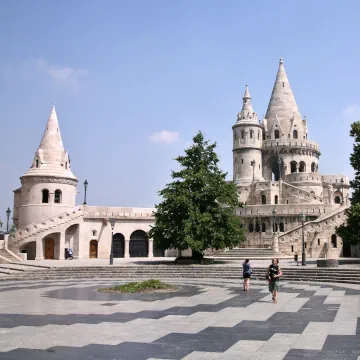
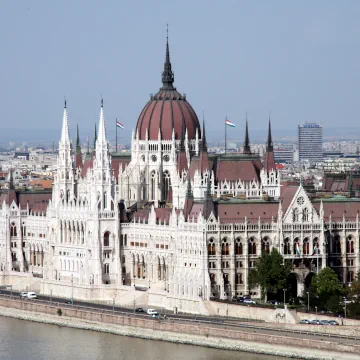
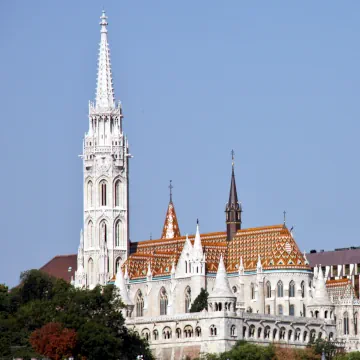
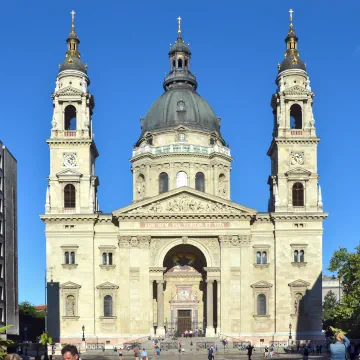
The city may be known for its thermal baths but there are also plenty of other attractions such as the vast Buda Castle, the majestic Chain Bridge and the romantic Fisherman's Bastion.

Intro to Budapest
Budapest, the capital of Hungary, was formed at the end of the nineteenth century when the three cities Pest, Buda and Óbuda merged but its history goes back more than one thousand years.
The city may be known for its thermal baths but there are also plenty of other attractions such as the vast Buda Castle, the majestic Chain Bridge and the romantic Fisherman's Bastion.
Budapest Facts
Country:Hungary
County:Budapest
Currency:Hungarian Forint (HUF)
Language:Hungarian
Population
city: 1,723,836 (2021)
metro: 3,033,638 (2021)
Timezone:Central European Time (CET)
Sights & Attractions in Budapest