
Barcelona attractions listed by popularity
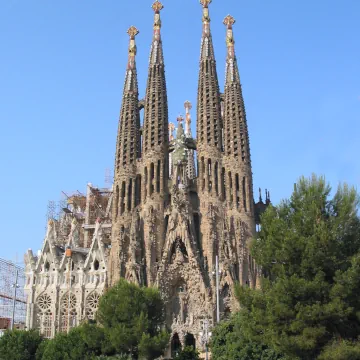
The Sagrada Família is Barcelona's most famous landmark. The modernist church is far from completed, though, it will take many more years before the building and its 18 towers will be finished.
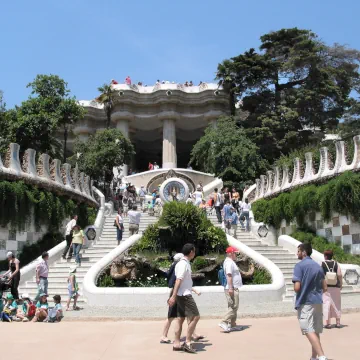
This unconventional park is one of Gaudí's most famous works and a must for any visitor to Barcelona. The park is a UNESCO World Heritage Site since 1984.
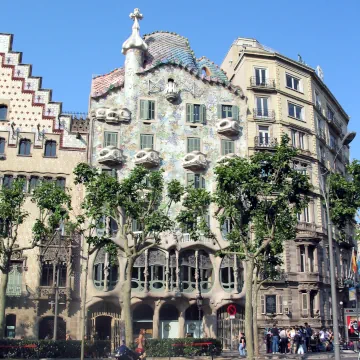
The colorful Casa Batlló, a remodeled 19th-century building, is one of Gaudí's many masterpieces in Barcelona. Its unique modernist interior is as fascinating as its surreal exterior.
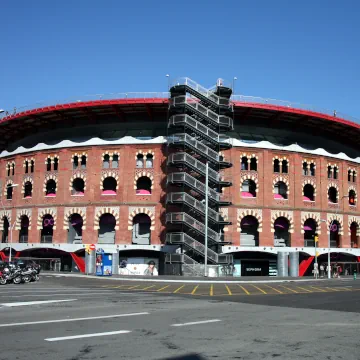
In 2011 the Arenas de Barcelona, originally built in 1900 as a bullring, was converted into a modern shopping and recreational complex. Its rooftop terrace offers great views over the area.
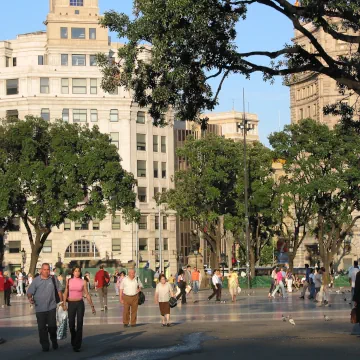
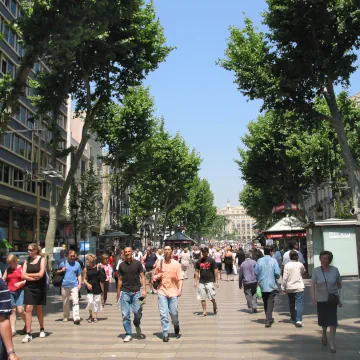
The Plaça de Catalunya is Barcelona's busiest square, located between the old city and the modernist Eixample district. It is also the start of the Rambla, the city's famous boulevard.
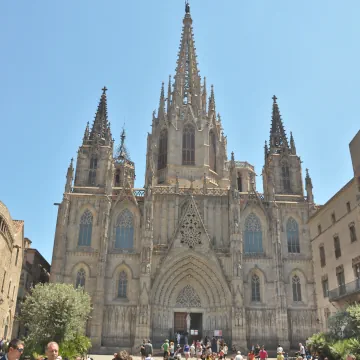
Barcelona's Cathedral is located in the heart of the Barri Gòtic, the gothic district. The cathedral was mainly built between 1298 and 1460. The gothic façade was completed at the end of the 19th century.
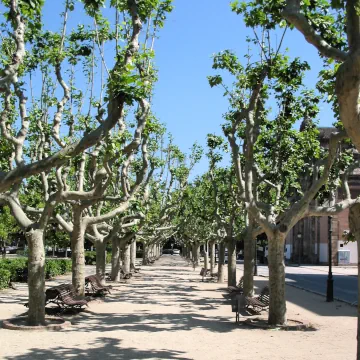
Barcelona's centrally located Parc de la Ciutadella was created at the end of the 19th century, replacing a large citadel. It is home to a zoo, museums and the Catalan Parliament.
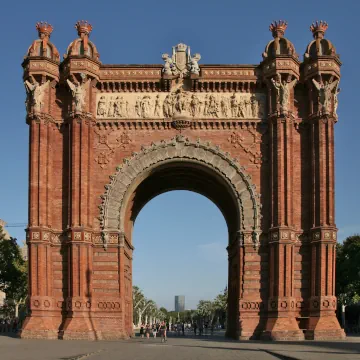
The Arc de Triomf is a triumphal arch with colorful brickwork in mudéjar style. The arch was originally built as the entrance gate for the 1888 Universal Exposition.
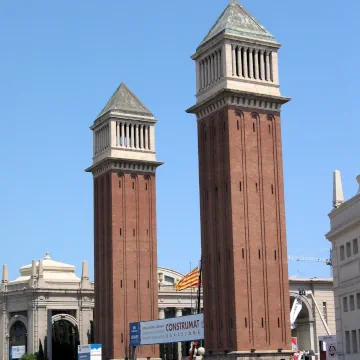
The Plaça d'Espanya is a large square located at the foot of the Monjuïc hill. From here you can walk up the hill to the Palau National along the cascade of waterfalls.
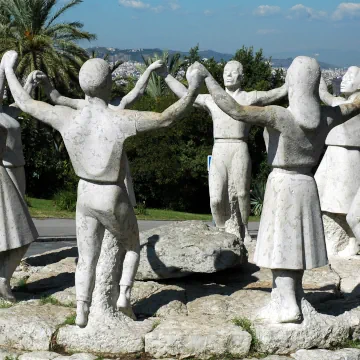
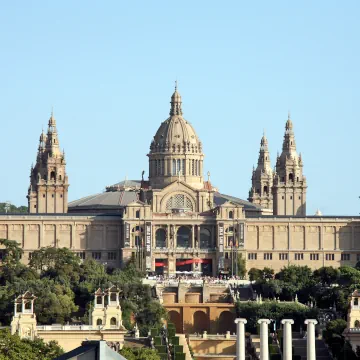
The Palau Nacional is a grand building on the Montjuïc Hill built for the 1929 International Exhibition. It is home to the National Art Museum of Catalonia.
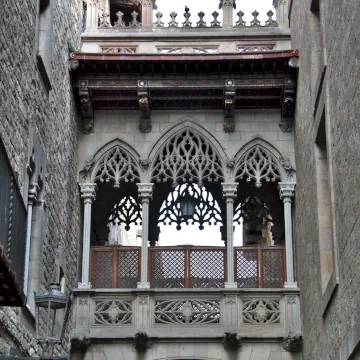
Barcelona enjoyed its heyday during the 13th and 14th centuries, when numerous Gothic churches and palaces were built, many of which are now part of the Gothic Quarter, a neighborhood with a high concentration of historical buildings.
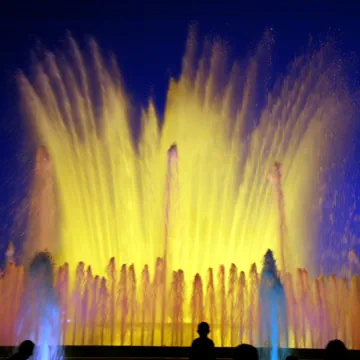
The Magic fountain was built for the 1929 Universal Exhibition as part of a large series of cascades and fountains. During summer evenings, this large fountain is animated with colored light.
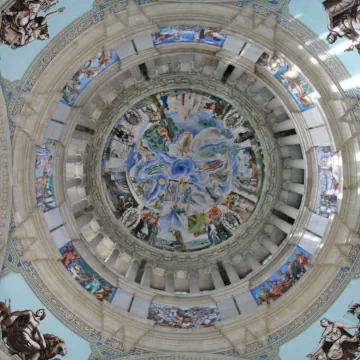
The MNAC is Barcelona's most important museum, with collections covering art from Romanesque to modern. The collection is housed in the monumental Palau Nacional.
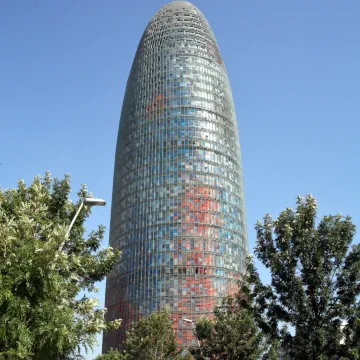
At 142 meters, Torre Glòries is one of Barcelona's tallest buildings. Its colorful cladding and unorthodox shape make it a remarkable sight, especially at night.
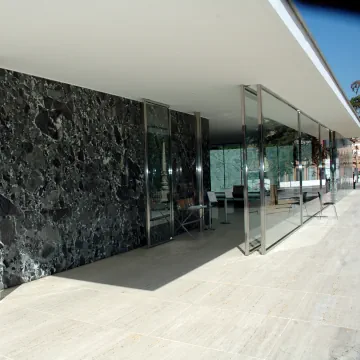
This masterpiece by Mies van der Rohe is considered a milestone in 20th century architecture. It was originally built as the German pavilion for the 1929 International Exhibition.
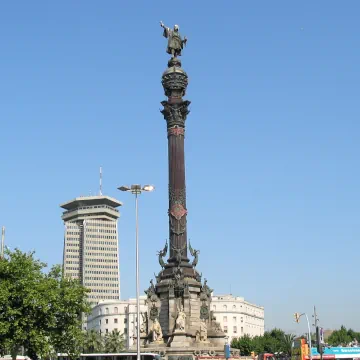
The Monument a Colom or Columbus Monument is a 60-meter-tall column built in 1888 in honor of the famous explorer who arrived in Barcelona after his discovery of America.
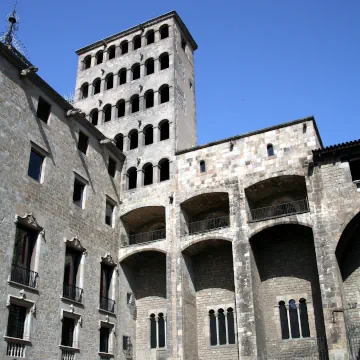
The Plaça del Rei is a historic square in the Gothic Quarter of Barcelona. It is bordered by the Palau Reial Major, once the seat of the counts of Barcelona and kings of Aragon.
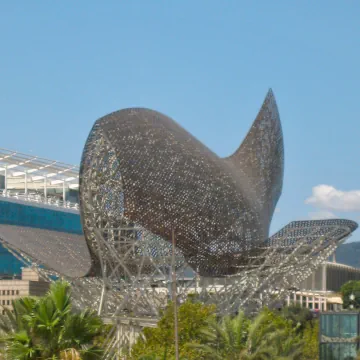
Locally known as Peix Daurat, the Golden Fish is one of the city's most eye-catching pieces of public art. The sculpture was designed by the renowned architect Frank O. Gehry.
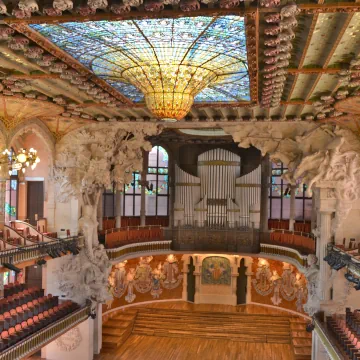
The Palau de la Música Catalana is a concert hall built in 1908. It was designed by the Catalan architect Domenèch, who created a magnificent building in Modernisme style.

The Santa Maria del Pi is a fourteenth-century church in Catalan Gothic style. It has a magnificent, twelve-sided rose window, thought to be one of the largest in the world.

The Santa Maria del Mar is one of Barcelona's most important churches. Built in the 14th century in a span of just over 50 years, it is a magnificent example of Catalan Gothic architecture.

Poble Espanyol is a mock village built for the 1929 International Exhibition. It is now a popular tourist attraction with bars, restaurants and shops. The houses showcase the diversity of Spanish architecture.


This park was created in the 1980s as a homage to one of Barcelona's favorite sons, the surrealist artist Joan Miró. The park features one of his modern sculptures.

The Plaça Reial (Royal Square) is one of the most elegant squares in Barcelona, laid out in the mid 19th century. Here you can find one of Gaudí's earliest works: two lampposts with iron ornaments.

The Mercat de la Boqueria is the most popular of the many food markets in Barcelona. The market's iron and glass hall was built in the early 20th century.

The Botanical Garden of Barcelona was laid out in the 1990s on a sloping terrain that was formerly used as a landfill. Here you find plants from various areas of the world with Mediterranean climates.

The Monastery of Pedralbes is a former monastery in the northern part of the city. The medieval complex is one of the best preserved examples of Gothic architecture in Catalonia.

The Museu d'Historia de la Ciutat (City History Museum) traces the history of the city from its early beginnings until the late Middle Ages. Here you can walk through the underground ruins of the Roman city Barcino.

The Parc de l'Espanya Industrial is a modernist park created in 1985. There are several sculptures in the park, as well as a series of futuristic-looking watchtowers.

Plaça de Sant Jaume is a pedestrian-friendly square in the heart of the Gothic quarter. It is bordered by two of Barcelona's most important governmental buildings: the city hall and the Generalitat palace.

CosmoCaixa is a modern Science Museum where the evolution and physical phenomenons are explained through interactive exhibits. Highlights include a recreated rainforest and a geological wall.

This iconic tower was built as the telecommunications tower for the Olympics of 1992. The slender design was created by the renowned Spanish architect Santiago Calatrava.

In 1884-1887 Antoni Gaudí, architect of the Sagrada Familia, built the pavilions of the entrance to the summer estate of Eusebi Güell, a wealthy industrialist. It is most famous for its dragon-shaped entrance gate.

Palau Reial de Pedralbes was built in the early 20th century as the local residence for king Alfonso XIII. Today, the building also houses two museums: a ceramics museum and a museum of decorative art.


This historic complex was built in the early 15th century and served as a hospital for more than 500 years. Today it is home to cultural institutions; its beautiful inner courtyard is now a public park.

The Torre de Collserola is a telecommunications tower that was built in 1991 in preparation for the 1992 Olympics. The modern tower boasts an observation deck 560 meters above sea level.

Edifici Fòrum is a large triangular structure that was built in 2004 as a multi-functional exhibition hall. The construction of the Forum spurred the development of a new neighborhood, the Diagonal Mar.

The Museu d'Art Contemporani opened in 1995 in the El Raval Neighborhood. Its collection of contemporary art is centered around Catalonian artists and art movements.
Barcelona attractions listed alphabetically
This historic complex was built in the early 15th century and served as a hospital for more than 500 years. Today it is home to cultural institutions; its beautiful inner courtyard is now a public park.
The Arc de Triomf is a triumphal arch with colorful brickwork in mudéjar style. The arch was originally built as the entrance gate for the 1888 Universal Exposition.
In 2011 the Arenas de Barcelona, originally built in 1900 as a bullring, was converted into a modern shopping and recreational complex. Its rooftop terrace offers great views over the area.
The Botanical Garden of Barcelona was laid out in the 1990s on a sloping terrain that was formerly used as a landfill. Here you find plants from various areas of the world with Mediterranean climates.
The colorful Casa Batlló, a remodeled 19th-century building, is one of Gaudí's many masterpieces in Barcelona. Its unique modernist interior is as fascinating as its surreal exterior.
The Museu d'Historia de la Ciutat (City History Museum) traces the history of the city from its early beginnings until the late Middle Ages. Here you can walk through the underground ruins of the Roman city Barcino.
The Monument a Colom or Columbus Monument is a 60-meter-tall column built in 1888 in honor of the famous explorer who arrived in Barcelona after his discovery of America.
CosmoCaixa is a modern Science Museum where the evolution and physical phenomenons are explained through interactive exhibits. Highlights include a recreated rainforest and a geological wall.
Edifici Fòrum is a large triangular structure that was built in 2004 as a multi-functional exhibition hall. The construction of the Forum spurred the development of a new neighborhood, the Diagonal Mar.
Locally known as Peix Daurat, the Golden Fish is one of the city's most eye-catching pieces of public art. The sculpture was designed by the renowned architect Frank O. Gehry.
Barcelona enjoyed its heyday during the 13th and 14th centuries, when numerous Gothic churches and palaces were built, many of which are now part of the Gothic Quarter, a neighborhood with a high concentration of historical buildings.
In 1884-1887 Antoni Gaudí, architect of the Sagrada Familia, built the pavilions of the entrance to the summer estate of Eusebi Güell, a wealthy industrialist. It is most famous for its dragon-shaped entrance gate.
Barcelona's Cathedral is located in the heart of the Barri Gòtic, the gothic district. The cathedral was mainly built between 1298 and 1460. The gothic façade was completed at the end of the 19th century.
The Magic fountain was built for the 1929 Universal Exhibition as part of a large series of cascades and fountains. During summer evenings, this large fountain is animated with colored light.
The Mercat de la Boqueria is the most popular of the many food markets in Barcelona. The market's iron and glass hall was built in the early 20th century.
This masterpiece by Mies van der Rohe is considered a milestone in 20th century architecture. It was originally built as the German pavilion for the 1929 International Exhibition.
The Monastery of Pedralbes is a former monastery in the northern part of the city. The medieval complex is one of the best preserved examples of Gothic architecture in Catalonia.
This iconic tower was built as the telecommunications tower for the Olympics of 1992. The slender design was created by the renowned Spanish architect Santiago Calatrava.
The MNAC is Barcelona's most important museum, with collections covering art from Romanesque to modern. The collection is housed in the monumental Palau Nacional.
The Museu d'Art Contemporani opened in 1995 in the El Raval Neighborhood. Its collection of contemporary art is centered around Catalonian artists and art movements.
The Palau Nacional is a grand building on the Montjuïc Hill built for the 1929 International Exhibition. It is home to the National Art Museum of Catalonia.
Palau Reial de Pedralbes was built in the early 20th century as the local residence for king Alfonso XIII. Today, the building also houses two museums: a ceramics museum and a museum of decorative art.
The Palau de la Música Catalana is a concert hall built in 1908. It was designed by the Catalan architect Domenèch, who created a magnificent building in Modernisme style.
This unconventional park is one of Gaudí's most famous works and a must for any visitor to Barcelona. The park is a UNESCO World Heritage Site since 1984.
This park was created in the 1980s as a homage to one of Barcelona's favorite sons, the surrealist artist Joan Miró. The park features one of his modern sculptures.
The Parc de l'Espanya Industrial is a modernist park created in 1985. There are several sculptures in the park, as well as a series of futuristic-looking watchtowers.
Barcelona's centrally located Parc de la Ciutadella was created at the end of the 19th century, replacing a large citadel. It is home to a zoo, museums and the Catalan Parliament.
The Plaça Reial (Royal Square) is one of the most elegant squares in Barcelona, laid out in the mid 19th century. Here you can find one of Gaudí's earliest works: two lampposts with iron ornaments.
The Plaça d'Espanya is a large square located at the foot of the Monjuïc hill. From here you can walk up the hill to the Palau National along the cascade of waterfalls.
The Plaça de Catalunya is Barcelona's busiest square, located between the old city and the modernist Eixample district. It is also the start of the Rambla, the city's famous boulevard.
Plaça de Sant Jaume is a pedestrian-friendly square in the heart of the Gothic quarter. It is bordered by two of Barcelona's most important governmental buildings: the city hall and the Generalitat palace.
The Plaça del Rei is a historic square in the Gothic Quarter of Barcelona. It is bordered by the Palau Reial Major, once the seat of the counts of Barcelona and kings of Aragon.
The Sagrada Família is Barcelona's most famous landmark. The modernist church is far from completed, though, it will take many more years before the building and its 18 towers will be finished.
The Santa Maria del Mar is one of Barcelona's most important churches. Built in the 14th century in a span of just over 50 years, it is a magnificent example of Catalan Gothic architecture.
The Santa Maria del Pi is a fourteenth-century church in Catalan Gothic style. It has a magnificent, twelve-sided rose window, thought to be one of the largest in the world.
Poble Espanyol is a mock village built for the 1929 International Exhibition. It is now a popular tourist attraction with bars, restaurants and shops. The houses showcase the diversity of Spanish architecture.
At 142 meters, Torre Glòries is one of Barcelona's tallest buildings. Its colorful cladding and unorthodox shape make it a remarkable sight, especially at night.
The Torre de Collserola is a telecommunications tower that was built in 1991 in preparation for the 1992 Olympics. The modern tower boasts an observation deck 560 meters above sea level.